
Powering High Peaks with Intelligent Independence

Today we explore smart off‑grid energy systems for remote alpine residences, uniting hybrid generation, resilient storage, and predictive control to keep mountaintop living comfortable, safe, and sustainable. You’ll find pragmatic design insights, cautionary tales from real builds, and inspiring wins, plus clear steps for planning, monitoring, and maintaining reliable autonomy when winter storms, steep terrain, and isolation test every decision.

Alpine Realities: Cold, Thin Air, and Long Distances

Weather Windows and Logistics

Planning begins with calendars, not components. Helicopter lifts, frozen-ground deliveries, and avalanche forecasts dictate when modules, masts, and battery enclosures can safely arrive. Build in contingencies, cache spares on-site, and document procedures so neighbors or guides can help when storms strand crews unexpectedly.

Human Comfort and Load Profiles

Remote living changes routines: batch cooking, early nights, and careful water heating reduce peaks. Track real habits with data loggers during a trial season, then size inverters, batteries, and backup heat realistically, respecting moments when a hot shower beats any abstract efficiency metric.

Wildlife, Neighbors, and Quiet Nights

Equipment must coexist with silence, stars, and migrating herds. Favor low-noise turbines, shield lights, and prevent curious marmots from chewing cables. Invite neighbors into planning; shared trails, microgrids, and radio protocols turn isolated plots into resilient communities ready to check on one another after whiteouts.
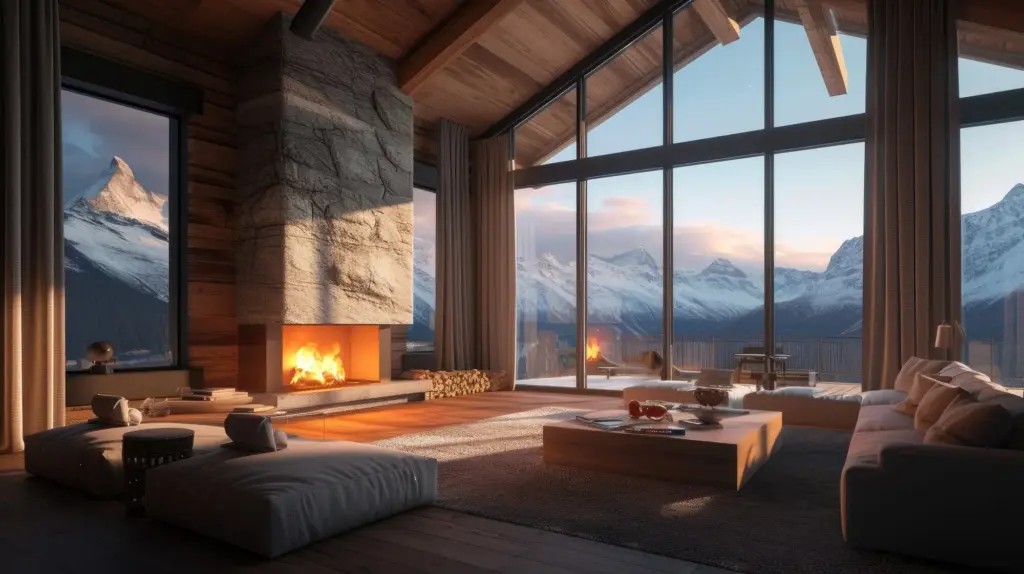

Hybrid Generation That Works Above the Tree Line

Relying on a single source is brittle. Blending solar for clear days, micro‑hydro for meltwater seasons, and wind for stormy fronts creates dependable coverage. We compare capacities, maintenance demands, and seasonal overlaps, and show how smart curtailment prevents overproduction from overwhelming charge controllers during spring brilliance.

Storage That Doesn’t Freeze or Fade

Energy independence hinges on batteries that stay warm and honest. We compare LiFePO4, NMC, and LFP blends under subzero duty, then pair them with insulated vaults, controlled ventilation, and heat‑recovery loops. Expect practical wiring, fusing, and monitoring tips that extend lifespan without bloating budgets or risking safety.

Load Shifting You Can Feel

Smart schedules protect comfort first. Pre‑warm floors, chill fridges a notch deeper, and time‑slice hot‑water heating while the array basks. Present choices transparently on wall tablets so guests understand why the sauna waits, and offer graceful override buttons that log insights for future tuning.

Forecast‑Driven Decisions

If tomorrow promises blizzard darkness, start the generator tonight, top batteries gently, and let thermal mass carry the cabin. If a blueburst is incoming, defer laundry and push desalination to midday. Data makes decisions compassionate, avoiding false austerity while still honoring real constraints and safety margins.

Mounting, Safety, and Avalanche‑Aware Construction

Hardware lives hard at altitude. Fasteners seize, rime grows like coral, and snow sheds unpredictably. We cover stainless choices, hot‑dip galvanizing, and epoxy anchors; then dive into fire safety, DC disconnects, ventilation, and avalanche load paths so structures, people, and electronics survive seasons that rewrite the landscape.

Structures That Respect Snow

Racking must dodge slide paths and endure creep. Place arrays outside preferred release zones, use standoff heights that let slabs slip under, and design breakaway fences that sacrifice wood, not glass. Engineers, guides, and old‑timer stories together triangulate where winter truly intends to move.

Keeping Fire Risks Low at Low Oxygen

Thin air cools poorly and fools detectors. Specify high‑altitude‑rated inverters, proper clearances, and metal‑clad wiring in utility spaces. Add particulate sensors, overcurrent protection, and extinguishers within reach of exits. Train residents to isolate strings safely, and rehearse night evacuations before nerves and smoke make choices chaotic.

When the Creek Froze Solid

We had over‑trusted the micro‑hydro line. Without bypass valves, frazil ice jammed fittings and forced a risky night walk. The repair taught redundancy and camera checks, plus a humble respect for silence where flowing water should sing beneath the aurora’s indifferent glow.

A Panel Field Lost Under Powder

Two blizzards in sequence buried the array despite steep tilt. We coordinated roof‑safe clearing, enabled heated edges briefly at noon, and leaned harder on thermal storage. The logs later showed forecasting could have pre‑charged tanks more; we tuned rules and celebrated a hot stew anyway.

Neighbors with Radios and Sleds

Around the fire after the storm, we traded lessons and patched sled tracks that became lifelines. Their wind readings validated our mast choice, and our spare connectors saved their turbine. Community transformed risk into ritual, reminding us rugged independence thrives best when generously interdependent.

Planning, Budgets, and Getting Involved

Dreams climb faster with numbers and allies. We map costs across seasons, weigh transport premiums, and prioritize upgrades that unlock resilience soonest. Along the way, we invite you to ask questions, share cabin sketches, and subscribe for field notes, checklists, and live Q&A from future builds.
Kiralorizavo
Privacy Overview

This website uses cookies so that we can provide you with the best user experience possible. Cookie information is stored in your browser and performs functions such as recognising you when you return to our website and helping our team to understand which sections of the website you find most interesting and useful.