Framing the Peaks, Keeping the Heat

Today we explore panoramic glazing versus thermal efficiency in alpine villas, uncovering how sweeping mountain views intersect with heat loss, comfort, and resilience. From U-values and solar gain to drafts, condensation, and dazzling snow glare, we weigh choices designers face when glass meets altitude. Expect practical details, honest trade-offs, field anecdotes, and strategies that preserve the view without sacrificing toes to the cold.

Altitude, Sun, and Snow: Understanding the Setting

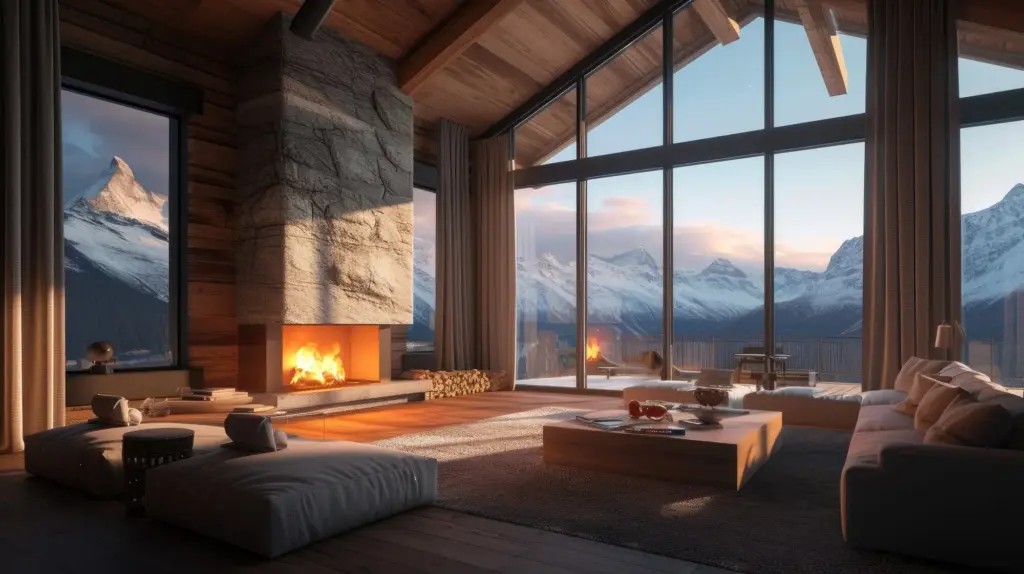
Designing for high mountains means navigating bright winter sun, biting winds, and long nights where every watt matters. Large windows can fill rooms with light and uplift, yet also invite conductive losses and radiant chill. Alpine weather magnifies stack effect, challenges airtightness, and tempts frost onto frames, making proportion, placement, and detailing as crucial as the beauty of the view itself.

U-value, SHGC, and visible transmittance explained humanly

U-value describes heat flow; lower means warmer interiors against the pane on icy nights. Solar heat gain coefficient measures how much sunlight becomes interior heat; higher helps in winter, yet risks glare and overheating on bluebird days. Visible transmittance preserves the crispness of ridgelines. Balancing Ug around 0.5, SHGC between 0.35 and 0.55, and adequate VT turns numbers into lived comfort.

Warm-edge spacers and frames that pull their weight

Edges betray many bold windows. Conductive spacer bars can drag interior glass temperatures downward, inviting condensation beads along panoramic sills. Warm-edge spacers and thermally broken timber-aluminum frames shrink linear thermal bridges and nudge surface temperatures upward. The payoff shows in fewer foggy mornings, reduced mold risk behind curtains, and a lounge that feels equally inviting from center sofa to corner reading nook.

Designing the Opening: Ratio, Rhythm, and Detailing

Big glass works best when right-sized, well-placed, and beautifully anchored. Window-to-wall ratios above comfort thresholds can drain warmth noticeably, while overly chunky frames erode the very panorama they promise. Thermal breaks, insulated bucks, and continuous exterior insulation transform dramatic apertures from liabilities into balanced features, delivering wonder on clear mornings and quiet ease after sundown with winter pressing against the façade.

Comfort Is More Than Energy Bills

Beyond kilowatt-hours, mountain living values stable mean radiant temperatures, manageable glare on snowy midday slopes, protection from drafts, and quiet rooms during valley gusts. The soul wants expansive views, yet the body craves balanced surfaces and gentle light. Aligning these needs turns glass walls into everyday companions, not seasonal spectacles you approach with caution only on picture-perfect Saturdays.

A Villa Above Innsbruck: Decisions in Practice

In a south-facing slope home, the design team wrestled with a double-height window wall. Early energy models showed winter gains offsetting some losses, yet nighttime penalties proved steep. By redistributing glass, upgrading frames, and adding external blinds, they preserved awe while trimming heating demand, validating that view and warmth can genuinely shake hands rather than politely coexist from different rooms.

Model first, then marvel together

The team iterated massing, window-to-wall ratios, and coatings, comparing Ug 0.6 with SHGC 0.45 against a slightly heavier low-gain option. Comfort modeling revealed radiant asymmetry falling within preferred ranges only after edge improvements. Seeing graphs and comfort maps beside vistas persuaded the client that invisible details matter as much as the spotlight-moment photograph taken on handover day.

A real winter week, not just a brochure day

During a cold snap, owners noted the lounge held warmth without cranking heat. On stormy afternoons, automatic blinds softened light and winds were barely audible. Mornings offered delicate alpine glow without squinting. The glass remained clear at edges, no bead-lines on sills. The house felt effortless, which became the most prized outcome besides the framed memory of ridgelines after fresh snowfall.

Lessons the team would repeat or refine

They would again concentrate larger panes where people linger, and maintain meticulous edge insulation. Next time, they would test a slightly higher SHGC on selected south panels to boost shoulder-season warmth while relying on smarter blind logic. Small shifts promised incremental comfort, revealing that mountain homes improve like well-loved skis: tuned edges, thoughtful wax, and responsive handling in varied conditions.

Cost, Carbon, and Ongoing Care

Grand glazing earns attention, budget, and stewardship. Triple units, thermally superior frames, and external shading add cost upfront, yet reduce heating demand, raise resale desirability, and mitigate future retrofits. Embodied carbon varies across glass, spacers, and frames, suggesting timber-aluminum or recycled-content strategies. Maintenance keeps seals tight, drainage paths clear, and astonishing views immortal, even when winds test patience and hardware.
Kiralorizavo
Privacy Overview

This website uses cookies so that we can provide you with the best user experience possible. Cookie information is stored in your browser and performs functions such as recognising you when you return to our website and helping our team to understand which sections of the website you find most interesting and useful.